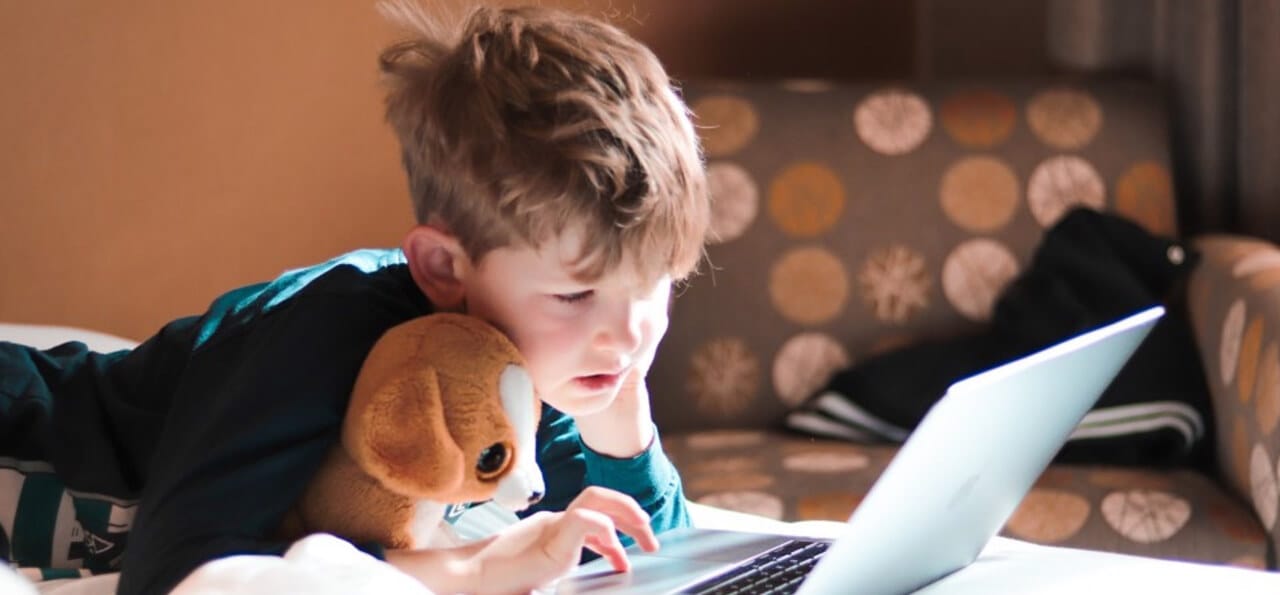
Your children spend a minimum of 8 hours everyday in your home while they are asleep. A child will spend 40 percent of his or her childhood asleep. Sleep is especially important for children as it directly impacts mental and physical development.
Over the years, issues that affect the health of our children such as nutrition and exercise have received a great deal of focus. Unfortunately another matter that has a tremendous impact on a student’s ability to succeed has been largely overlooked — Indoor Air Quality. In order to be successful, students must have clean, healthy air to breathe. Not only can poor indoor air quality cause illnesses that keep them home from school, but recent findings have also shown that it may directly reduce their ability to learn.
Clean air is crucial for student success
Children are especially vulnerable to harmful and irritating air pollutants such as microbiological pollutants, allergens, chemicals, and ultrafine particles. Air pollution directly affects their lung development.
Children later in life, exposed to polluted air have been associated with decreased respiratory function. Increasing levels of asthma in schoolage children are closely associated with increased exposure to air pollution.
Studies have associated poor Indoor Air Quality with a decrease in students’ ability to perform specific mental tasks requiring concentration, calculation and memory.
What can you do?
Parents can take practical steps to ensure their children are breathing clean, healthy air at home and at school.
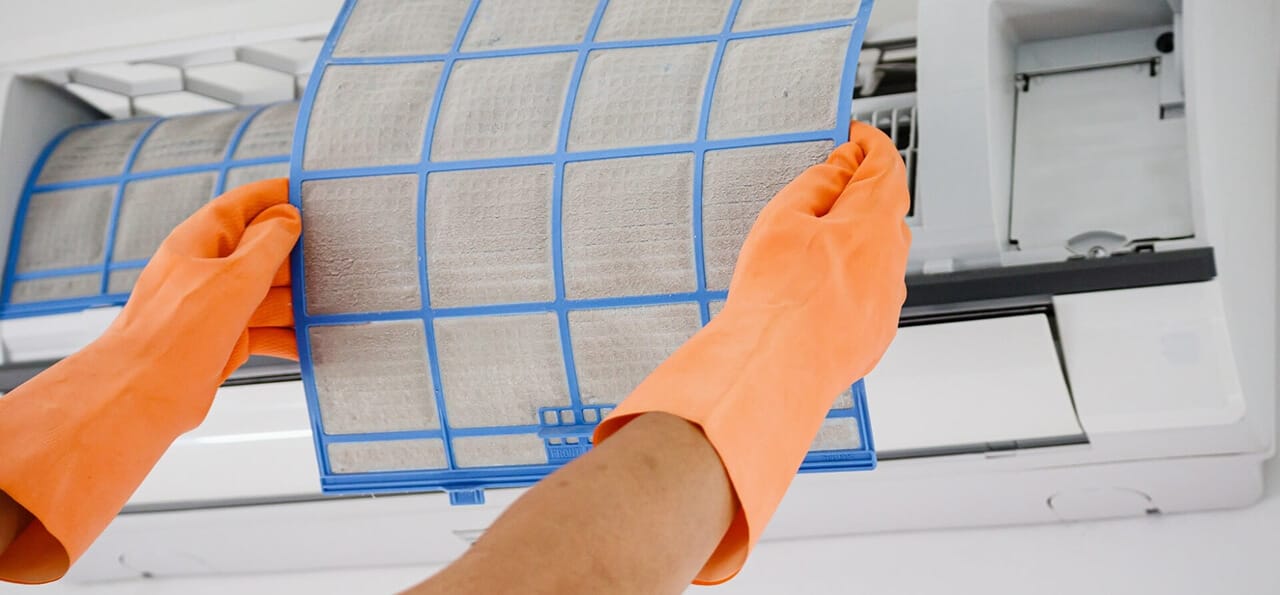
At home, professional air conditioner cleaning helps remove built-up dust, mould, and bacteria, improving indoor air quality and supporting your child’s health, sleep, and ability to focus.
It’s also important to be aware of air quality in your child’s school. Consider asking whether their HVAC systems are regularly inspected and maintained. Are there routine checks for moisture and mould? Have prevention and remediation plans been put in place?
Taking a proactive approach both at home and in school environments can make a meaningful difference in the quality of the air your child breathes every day.
Conclusion
Creating a healthy environment at home is one of the most important steps you can take to support your child’s growth and development. Clean indoor air plays a key role in their sleep quality, overall health, and ability to focus and learn.
While factors like nutrition and exercise are often prioritised, air quality should not be overlooked. Simple actions such as regular air conditioner cleaning and staying aware of potential pollutants can make a meaningful difference over time.
By taking a proactive approach, you help ensure your child is breathing clean, healthy air every day — giving them the best possible foundation to grow, learn, and succeed.