Do you find yourself constantly battling against pesky pests like ants, roaches, and rodents? Have you ever wondered what exactly an exterminator does to eliminate these unwelcome guests from your home or business?
“Exterminator” is the older term — in Australia, the profession is more accurately called a pest management technician or pest controller. But the question behind the search is the same: what does someone actually do when they come to treat your home, and is it worth hiring one?
This guide explains what professional pest control involves, what to expect during a visit, and when DIY isn’t enough.
What is a Pest Management Technician aka Exterminator?
A licensed pest management technician or an exterminator is a trained professional qualified to identify, treat and prevent pest infestations in residential and commercial properties. In Queensland, pest controllers must hold a Queensland Health pest management licence
Licensing requires completion of a nationally recognised Certificate III in Pest Management, covering pest identification, chemical handling, application techniques, and environmental and safety requirements. It’s not a qualification anyone can skip.
The distinction matters: unlicensed pest control means unregulated product selection, incorrect application rates, and no professional accountability if something goes wrong.
What Pests and Infestations Do Exterminators Handle?
A licensed pest controller handles the full range of household pests. The specific treatment approach varies significantly by species — which is why identification comes before treatment.
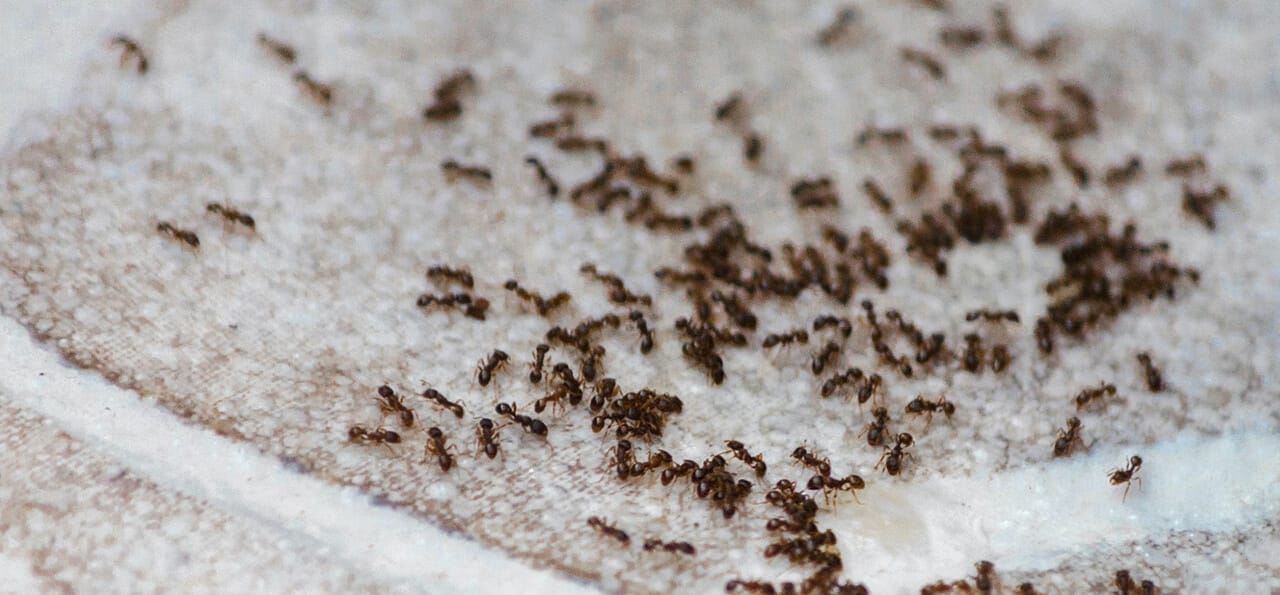
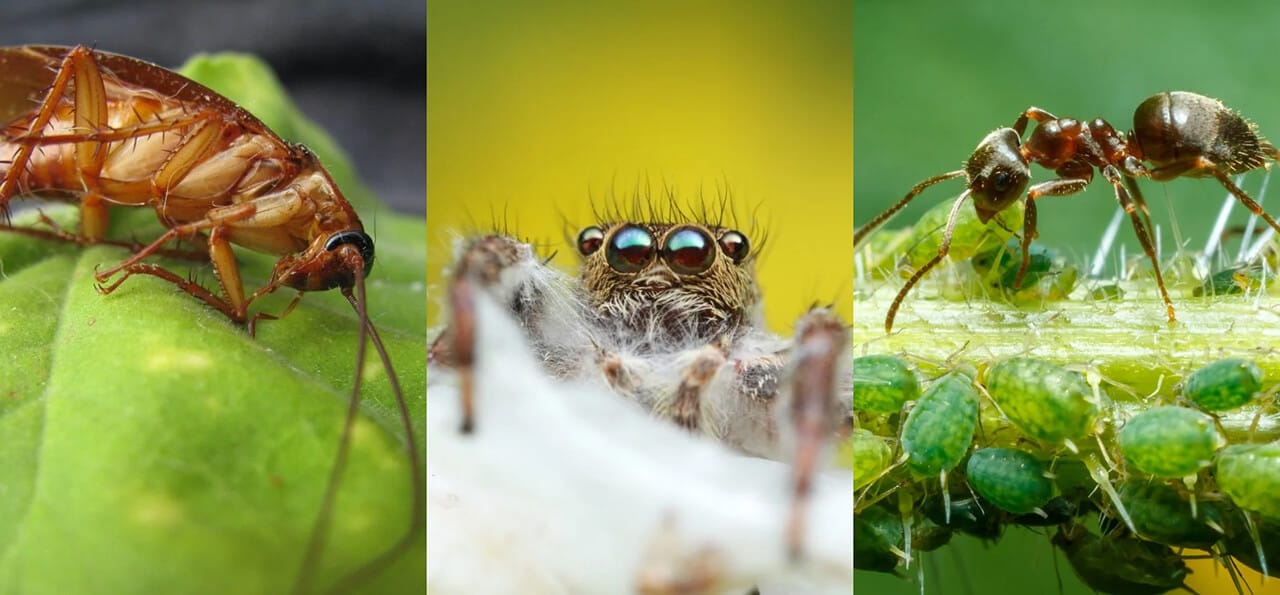
- Ants: Species identification determines method. Argentine ants and coastal brown ants require slow-acting bait carried back to the colony; fire ants require specific approved methods under Queensland’s eradication program. Surface spray alone disperses ant colonies without eliminating them. Ant pest control uses the right method for the right species.
- Bedbugs: Bedbugs are small insects that feed on human blood. They can be very difficult to eliminate, but an experienced exterminator will know how to eliminate them quickly and effectively.
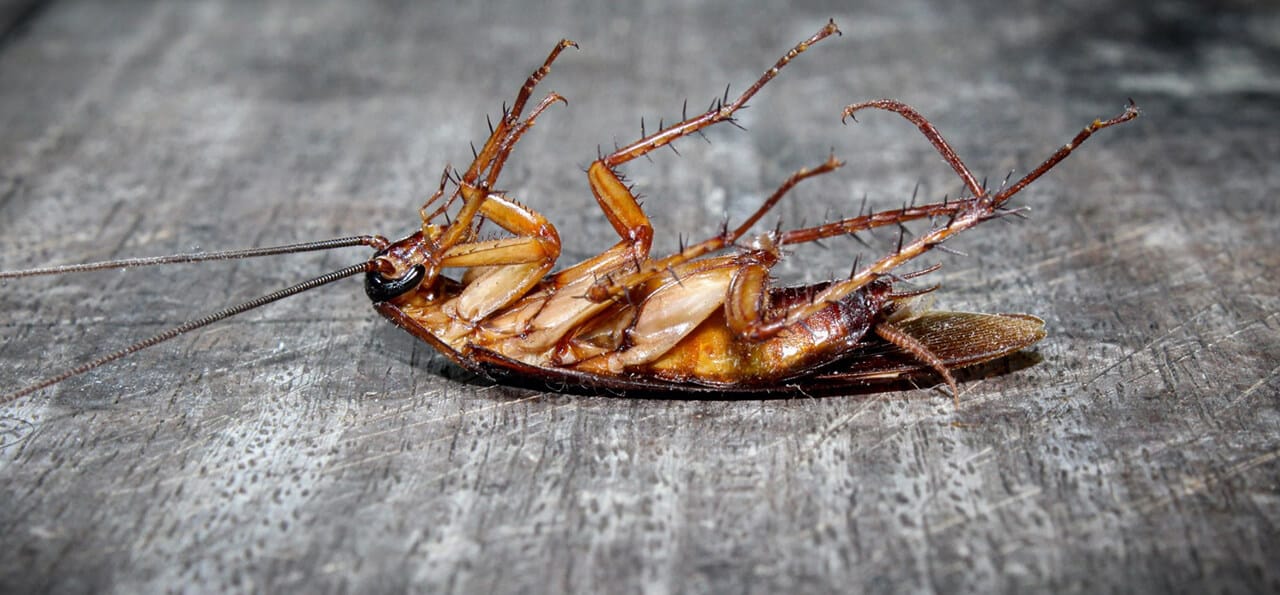
- Cockroaches: Gel baits placed in harbourage zones plus residual spray. German cockroaches require targeted treatment of wall voids and appliance cavities. Surface spray alone is ineffective for established indoor infestations. Professional cockroach treatment targets the lifecycle, not just visible adults.
- Fleas: Fleas are small insects that live on animals, including humans. They can be very difficult to get rid of, but an experienced exterminator will know how to get rid of them quickly and effectively.
- Rodents: Tamper-resistant bait stations placed along active runways. Species identification (roof rat, Norway rat or mouse) determines placement locations. Entry point assessment and exclusion advice included. Rodent pest control addresses the whole problem, not just the symptoms.
- Spiders: Residual product applied to webs, eaves, harbourage zones and entry points. Web clearing is included. All species are treated including redback, funnel-web and white-tail. Spider pest control provides months of ongoing protection from a single visit.
- General pests Silverfish, millipedes, earwigs, wasps and other nuisance pests are treated as part of a general treatment or as targeted services.
Benefits of Hiring an Exterminator
An exterminator can provide many benefits to a home or business owner. They can help eliminate pests that are causing problems and prevent pests from returning in the future. Exterminators can also help to protect your property from damage that pests can cause.
- Professional Assessment: An exterminator can fully assess your home or business to determine what type of pest infestation you are dealing with and how best to address it. They can assess the extent of the problem and give you advice on what steps to take to get rid of the pests.
- Safer Solutions: An exterminator will use safer methods than DIY solutions, such as chemical treatments or traps that are designed specifically for the type of pest that needs to be eliminated. These methods are far less likely to cause harm to your family, pets, or property than some DIY solutions.
- Long-Term Prevention: An exterminator can help set up long-term prevention methods, such as eliminating food sources, sealing off entry points, and using baits and traps. This will help keep the pests away in the future so that you don’t have to worry about them returning soon.
- Expertise: Exterminators are experts in their field and know exactly what products and techniques to use for different types of pests to eliminate them quickly and effectively. They also have experience dealing with different types of infestations, so they know how best to address the problem.
The Difference Between Professional and DIY
The honest version:
- Products: Professional pest controllers use commercial-grade formulations not available in supermarkets — with active ingredient concentrations, residual durations and targeted delivery methods that consumer products can’t match.
- Identification: Treating the wrong species the wrong way wastes money and can make infestations worse. Argentine ants repelled by surface spray split into multiple sub-colonies; cockroaches become bait-shy when exposed to the wrong gel formulation. Identification is the first step a professional takes.
- Harbourage access: Gel baits in wall voids, dusts in roof spaces, bait stations in subfloor areas — most of the places pests live are inaccessible to surface sprays bought at a hardware store.
Duties and Responsibilities of an Exterminator
An exterminator’s job is to rid homes and businesses of unwanted pests. This can include anything from ants and roaches to rodents and wildlife. To do this, they will use various methods, including baits, traps, and chemicals. They may also need to seal up cracks and crevices to prevent new pests from getting in.
- Diagnosing pest infestations and developing treatment plans.
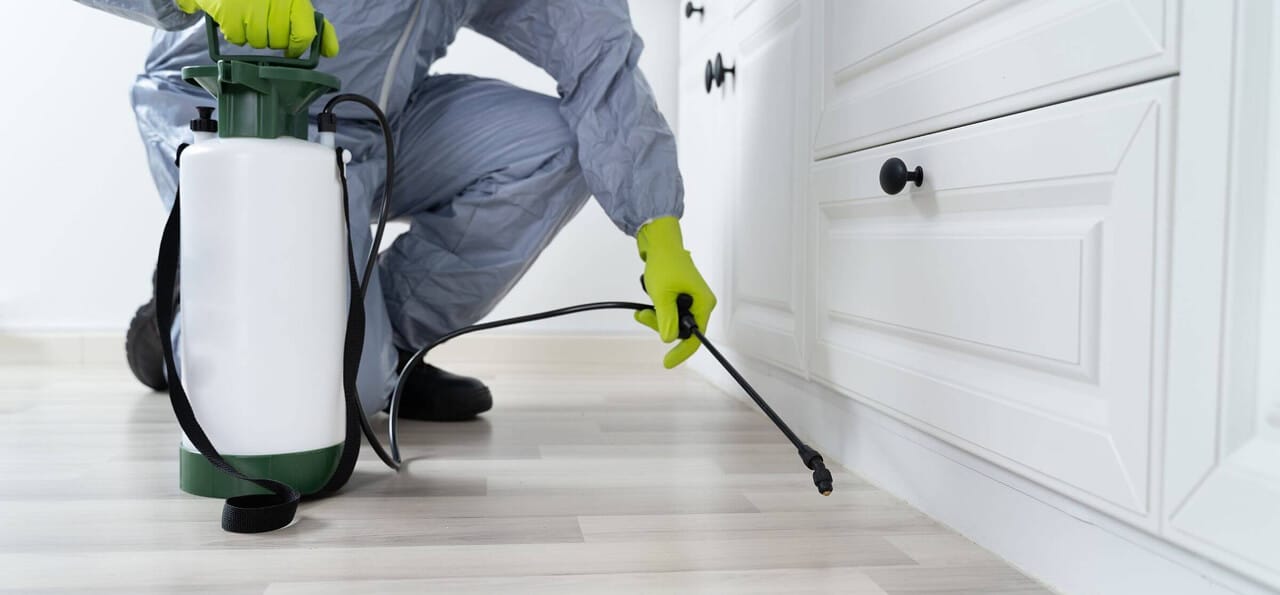
- Applying pesticides, insecticides, and other treatments.
- Carrying out structural repairs to prevent pests from entering a building.
- Monitoring and maintaining traps to capture animals and insects.
- Cleaning contaminated areas to reduce the risk of cross-contamination.
- Keeping accurate records of treatments and results.
- Keeping up with safety regulations governing the use of pesticides and other chemicals.
Common Methods Used by Exterminators to Control Pests
Exterminators commonly use various methods to control pests. These methods may include using chemicals, traps, and other devices.
One common method that exterminators use is the application of chemicals. This may be in the form of liquids, powders, or gels. These chemicals are designed to kill or repel pests. Exterminators may also use baits and lures to attract pests into traps. Another common method used by exterminators is physical removal. This may involve using a vacuum cleaner or broom to remove pests from an area.
In addition, exterminators may use mechanical devices such as ultrasonic sound waves to repel pests. This method relies on producing high-frequency sounds that are unpleasant for certain pests. Exterminators may also use insect growth regulators and pheromone traps to disrupt the life cycle of some insect species. Finally, some exterminators may also use natural or organic methods to control pests. These methods may include using beneficial insects that prey on particular pest species or using natural repellents such as garlic or peppermint oil.
Warning Signs of a Potential Infestation
If you have an infestation, it is important to be able to identify the warning signs. Some common warning signs of a potential infestation include:
- Seeing live insects or spiders in your home
- Finding dead insects or spiders in your home
- Noticing bites or stings from insects or spiders
- Seeing the damage to clothing, furniture, or other items in your home
- Hearing sounds coming from walls, ceilings, or other hidden areas in your home.
If you notice any of these warning signs in your home, it is important to contact a professional exterminator as soon as possible. In addition, they will be able to properly assess the situation and determine the best course of action to take.
How to Prepare for an Extermination Visit
Preparing for an extermination visit is important to ensure the success of the treatment. Here are some tips on how to prepare:
- Clear out all clutter from the areas to be treated. This includes clothes, shoes, toys, etc.
- Move furniture away from the walls so the exterminator can treat the room’s perimeter.
- Cover any food items or open containers.
- Remove pet food and water bowls.
- Make sure that there is no food or garbage left out. Extermination treatments are often more successful in clean environments.
Tips to Prevent Future Infestations
- Keep your home clean and clutter-free. This will make it more difficult for pests to find places to hide and nest.
- Store food in sealed containers and dispose of garbage regularly. This will prevent attractants from drawing pests into your home in search of a meal.
- Repair any cracks or holes in your home’s exterior. This will help keep pests from gaining access inside.
- Keep trees and shrubs trimmed away from your home’s foundation. This will deny pests easy access to the interior of your dwelling.
- Consider investing in regular pest control treatments from a professional exterminator. This will create a barrier around your home that will deter pests from entering and help to eliminate any that are already present.
Conclusion
In conclusion, exterminators are essential for dealing with pests in a safe and effective manner. With our guide, you can understand what an exterminator does to ensure that your property is free from unwanted pests. From assessing the infestation level to deciding on appropriate pest control methods, understanding how an exterminator works will help you ensure that your property remains protected from any potential hazards caused by pests.
Contact The 99 People for your pest control needs
Have pests bugged you lately? Fret not, as we have got the solution to your problem! Contact the 99 People, your leading local exterminators – we can handle all your pest control needs. From ants to rodents, we have a solution that works.